
Electricity has become a cornerstone of modern living, and reliable backup power is no longer optional. From keeping food fresh to powering communication devices and lighting, uninterrupted energy is essential for everyday routines. Traditional gas generators have long served as the go-to solution, but they come with noise, emissions, and ongoing maintenance. Advances in portable solar power generators now allow households to harness sunlight, store energy, and run essential appliances cleanly and quietly. These systems combine solar panels with a portable battery to provide flexible power anywhere, indoors or outdoors. In this article, the capabilities, benefits, and practical uses of solar generators are examined to see if they truly replace gas generators.

1. Power: Solar Now Handles Real Loads
Run fridges, freezers, lights, and Wi-Fi
Modern solar generators can now handle the types of loads that once required gas. They can power small refrigerators, freezers, lighting, Wi-Fi routers, and other essential household devices simultaneously. This capability ensures that daily life continues even when the grid fails. Proper placement of solar panels and careful management of connected appliances maximize efficiency. Planning energy needs around peak sunlight hours allows stored power to last longer. Solar generators offer a quiet, vibration-free alternative that avoids fuel storage complications.
New models support higher wattage appliances
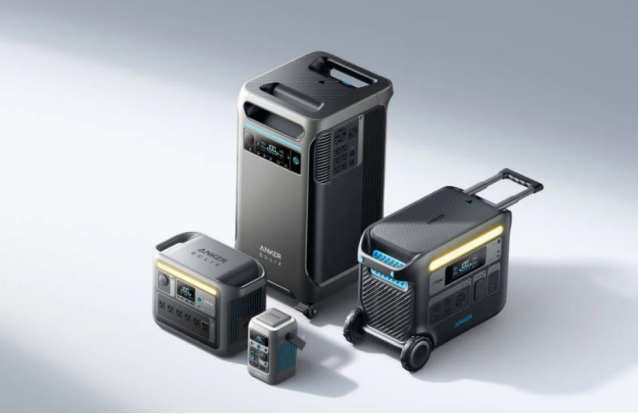
Recent portable solar power generators, like the Anker SOLIX solar generator, deliver 800W to 6,000W of output. This means they can now operate appliances that were previously too demanding, such as microwaves or small air conditioners in short bursts. Users benefit from the flexibility to run higher wattage devices while still enjoying silent, emissions-free operation. Smart capacity expansion and app controls allow energy management for multiple appliances at once. These generators provide dependable energy for modern households without the hassle of gas refills. Solar energy now matches much of what gas generators offered but in a cleaner and quieter form.
2. Runtime: Unlimited vs. Finite Fuel
Gas dies when the tank empties
Gas generators provide power only until their fuel runs out. Frequent refueling is necessary, especially during extended outages, which can be inconvenient or even impossible in remote areas. Tracking fuel levels and managing reserves adds ongoing complexity. Safety concerns arise when storing flammable fuel indoors or nearby. Noise and fumes further complicate indoor or semi-indoor setups.
Solar recharges daily with sunlight
Portable solar power generators harness sunlight to replenish energy without manual intervention. Panels convert sunlight into stored electricity, effectively offering an unlimited daily runtime as long as conditions allow. Energy usage can be scheduled, and battery capacity ensures that power remains available during evenings or cloudy days. This renewable, predictable energy cycle eliminates the stress of fuel management. Solar power allows for longer, self-sufficient operation during outages. Devices remain functional without the constant worry of refueling.
3. Fuel: Free Sun vs. Forever Trips to the Station
Gas requires constant refueling and storage
Gas-powered generators depend entirely on liquid fuel, requiring trips to the station and safe storage. Fuel costs fluctuate, and quantities needed for prolonged outages can be substantial. Storing fuel safely indoors or near living areas presents risks, especially around children or pets. Over time, these operational costs add up. Spilled or degraded fuel can reduce generator efficiency or cause damage.
Solar fuels itself anywhere there is light
Solar generators use sunlight as their energy source, eliminating the need for trips to gas stations. Panels capture energy during the day, storing it for use when needed. This independence allows operation in remote or urban settings without external fuel. Energy can be harvested at home, in the backyard, or even while traveling. Zero emissions and clean operation make this method safe for indoor or outdoor use. Solar power provides a free, renewable, and environmentally friendly fuel alternative.
4. Maintenance: None vs. Constant Upkeep
Gas needs oil changes, stabilizer, and carburetor cleaning
Gas generators require ongoing maintenance to remain operational. Oil changes, stabilizer addition, carburetor cleaning, and filter replacements are necessary and can be complex. Neglecting these tasks reduces performance and can lead to costly repairs. Regular servicing adds time, expense, and stress to generator ownership. Moving or storing the unit safely also presents challenges.
Solar has no moving parts, no annual service
The portable solar power generator features minimal moving components, reducing the need for maintenance. Batteries and panels are durable, and the system can operate reliably for years with minimal care. Users can monitor energy levels and system performance through simple app interfaces. No oil changes, fuel stabilizers, or carburetor work are required. This reliability lowers both ongoing costs and hassle. Solar systems offer a stress-free alternative to the labor-intensive upkeep of gas generators.
5. Experience: Silent Clean Power vs. Noise and Fumes
Gas is loud, smelly, and never indoor-safe
Running a gas generator indoors or nearby can produce fumes that are unsafe and unpleasant. Noise levels can disrupt work, sleep, or social activities. Fumes and vibration require careful placement outdoors, limiting convenience. Fuel spills, exhaust, and routine maintenance add to the operational burden.
Solar runs silent, zero emissions, safe inside
In contrast, portable solar power generators operate silently, producing no smoke or odor. They can be used safely indoors or in living spaces without concern for emissions. This allows for comfortable, flexible deployment in any environment. Batteries store energy for nighttime or cloudy periods without relying on fuel or combustion. Modern designs integrate smart monitoring to optimize efficiency and safety. Silent operation enhances usability, making solar generators ideal for both daily and emergency use.
6. Verdict: Solar Wins for Most Households
Gas remains for extreme whole-home needs
While solar generators have made great strides, very high-demand whole-home setups may still require supplemental gas power. Appliances like large HVAC systems or multiple high-wattage kitchen devices may exceed portable solar capacities. Planning energy needs carefully can mitigate these limits.
Solar is now the smarter daily and backup choice
For most households, portable solar power generators offer a practical, cost-effective, and safe alternative. They provide reliable backup, clean operation, and flexibility for off-grid or emergency use. Solar energy now supports a range of appliances once reserved for gas units. Smart capacity expansion, app controls, and silent operation enhance convenience. Renewable fuel and minimal maintenance make them an increasingly popular daily choice. Portable solar power generators are now a viable replacement for gas generators in most everyday scenarios.
Conclusion
Portable solar generators have evolved into a robust, convenient, and clean energy solution. Modern units like the Anker SOLIX solar generator combine high wattage output, expandable storage, and smart monitoring for flexible use. They eliminate the noise, emissions, fuel dependence, and maintenance challenges of gas generators. From powering essential household devices to enabling off-grid living, solar generators offer an effective and reliable alternative. For most households, solar provides safer, more sustainable, and more convenient backup power. With thoughtful setup and capacity planning, these systems can meet daily and emergency needs efficiently.