
Reliable electricity can be difficult to find in remote locations. Campers, field workers, travelers, and emergency responders often rely on portable devices for communication, lighting, and navigation. Without nearby outlets, planning how to keep those devices powered becomes essential. Different charging technologies offer varying levels of convenience, reliability, and energy output. Understanding how each option performs in real-world conditions helps people choose the right tools for their needs. In this article, practical charging solutions for remote areas are explained clearly, focusing on how they work and when they are most effective.
1. Solar Chargers
Solar chargers use sunlight to generate electricity without requiring fuel or grid access. Foldable or portable panels can be set up near a tent, vehicle, or worksite to collect energy during the day. This energy is typically stored in a connected solar power bank so devices can be charged later, even after sunset. Compact battery systems designed for long service life and stable performance, such as those often associated with Anker SOLIX solar power bank setups, are commonly chosen for balancing portability and dependable storage. These systems work best in open areas with consistent sunlight and minimal shade. While charging speed depends on weather and panel size, solar remains one of the most practical long-term power sources in remote environments.
2. Portable Power Stations
High-capacity batteries for multiple charges
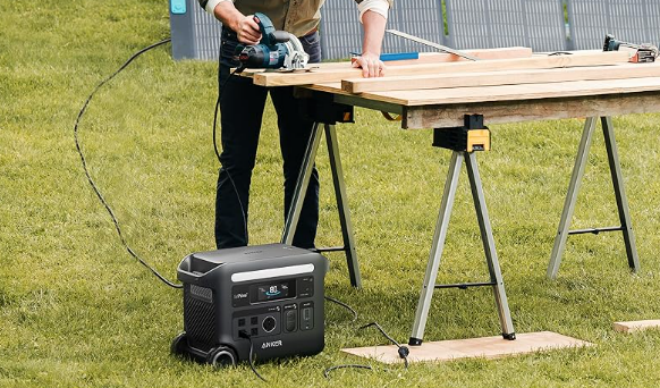
Portable power stations contain large internal batteries that can store significant amounts of electricity. They are often charged at home before travel or through solar panels once on site. A single unit can recharge phones, tablets, cameras, and other small electronics many times. This makes them useful for multi-day trips where access to electricity is limited. Clear displays usually show remaining battery levels, helping users manage energy use. Their higher capacity provides a reliable energy reserve when sunlight is inconsistent.
Can run small appliances
In addition to charging personal electronics, many portable power stations can run small appliances. Items like mini coolers, fans, laptops, and LED lights can operate for hours depending on battery size. AC outlets on these units make them versatile in remote work or camping setups. Quiet operation makes them suitable for use in natural settings or shared spaces. Unlike fuel generators, they produce no exhaust during use. This combination of portability and output makes them a flexible power solution.
3. Hand-Crank & Manual Chargers
Generate power in emergencies
Manual chargers produce electricity through human effort rather than sunlight or stored power. Turning a hand crank or pressing a lever spins a small internal generator. These devices are especially useful when other power sources are unavailable. They can provide enough energy to make emergency phone calls or power small lights. Although output is limited, they offer a dependable last-resort option. Their value lies in reliability rather than speed or convenience.
Useful for radios and lights
Because they generate small amounts of energy, manual chargers are often paired with low-power devices. Emergency radios, flashlights, and basic communication tools work well with this type of charger. These items are important during severe weather or unexpected delays in remote areas. Manual charging requires physical effort, which can be tiring over long periods. For this reason, it is best viewed as a backup rather than a primary solution. Still, having one available can make a meaningful difference in critical situations.
4. Alternative Energy Chargers
Wind or thermoelectric options
Some chargers use alternative energy sources such as wind or heat. Small wind turbines can generate power in consistently breezy locations. Thermoelectric generators produce electricity from temperature differences, such as heat from a camp stove. These technologies are less common but can be useful in specific environments. Their performance depends heavily on local conditions. When matched correctly to the setting, they can supplement other charging methods.
Good as backup power sources
Alternative chargers are typically used alongside more reliable systems like solar or battery storage. They add another way to collect small amounts of energy when conditions allow. Because output can be unpredictable, they are rarely the only power source. Their lightweight and specialized designs make them easy to pack for extended trips. In combination with other tools, they contribute to a more resilient power strategy. Diversity in energy sources improves overall reliability in remote areas.
5. Fuel-Powered Generators
Fuel-powered generators remain a powerful option for producing electricity far from the grid. They can run for many hours as long as fuel is available. These generators are capable of powering larger tools and appliances than most portable battery systems. However, they are heavier, noisier, and require proper ventilation during use. Fuel storage and transport must also be managed carefully. Despite these drawbacks, they provide dependable high-output power when other options fall short.
Conclusion
Charging devices in remote areas requires thoughtful preparation and the right combination of tools. Solar chargers offer renewable energy when sunlight is available, while portable power stations provide stored electricity for a range of devices. Manual chargers and alternative energy tools serve as valuable backups in challenging conditions. Fuel-powered generators deliver higher output but involve added weight and maintenance. Each solution has strengths and limitations depending on environment and energy needs. By understanding these differences, people can build a reliable power setup that supports communication, safety, and comfort far from traditional electrical infrastructure.